


Commercial Air Conditioning Systems
Commercial air conditioning systems are vital for maintaining comfortable indoor environments in various settings, including industrial, residential, and commercial spaces. These systems not only enhance comfort but also improve air quality, increase productivity, and protect sensitive equipment. This article explores the different types of commercial air conditioning equipment and their specific advantages.
Types of Commercial Air Conditioning Equipment
- Split Systems:
- Description: Comprising an indoor and an outdoor unit, split systems are commonly used in small to medium-sized commercial spaces.
- Benefits:
- Easy to install and maintain.
- Quiet operation since the noisy compressor is located outdoors.
- Flexible configuration allows for multiple indoor units connected to a single outdoor unit.
- Packaged Units:
- Description: These all-in-one units combine the compressor, condenser, and evaporator in a single frame, typically installed on the roof or a concrete pad outside the building.
- Benefits:
- Space-saving design makes them ideal for properties with limited indoor space.
- Quick installation and easy maintenance, as all components are accessible in one location.
- Energy-efficient options are available, providing cost savings on energy bills.
- VRF (Variable Refrigerant Flow) Systems:
- Description: VRF systems are advanced air conditioning solutions that circulate refrigerant through multiple indoor units from a single outdoor unit.
- Benefits:
- Highly efficient with precise temperature control in different zones.
- Allows for simultaneous heating and cooling of different spaces, enhancing comfort.
- Reduced energy consumption compared to traditional systems, leading to lower operational costs.
- Chilled Water Systems:
- Description: These systems use chilled water to cool air, typically found in larger commercial buildings and industrial applications.
- Benefits:
- Capable of cooling large areas effectively, making them suitable for high-demand environments.
- Flexibility in design allows for connection to various air handling units.
- Long lifespan and reduced maintenance costs due to fewer moving parts.
Applications Across Sectors
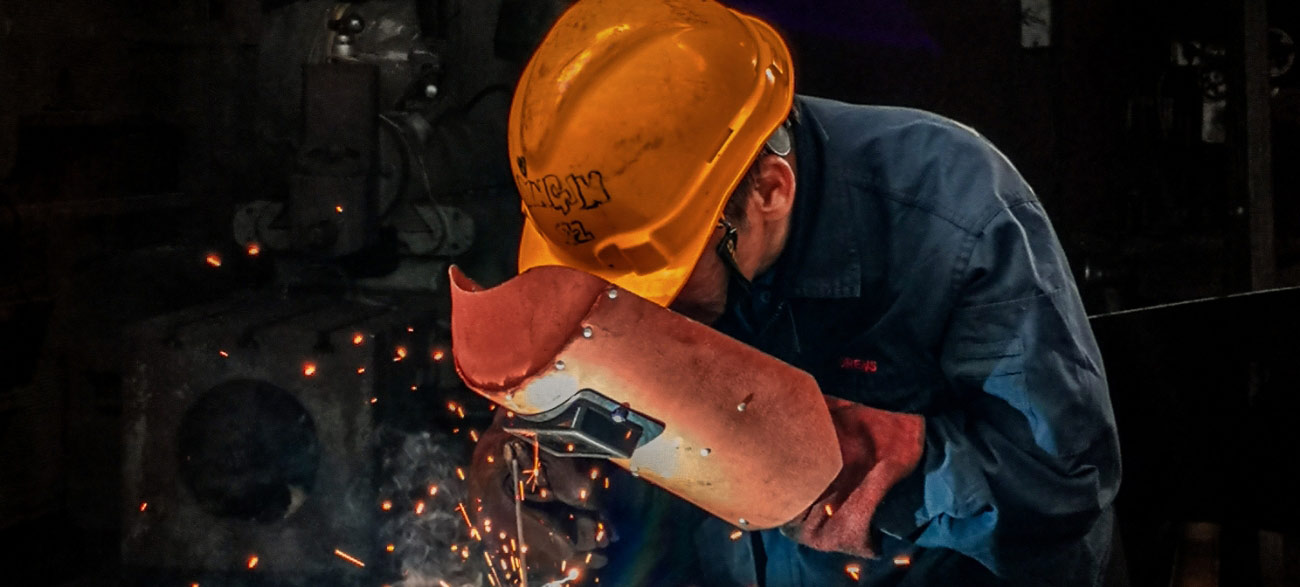
- Industrial: Factories and manufacturing plants require robust air conditioning systems to maintain optimal working conditions, ensuring employee comfort and protecting sensitive machinery from overheating.
- Commercial: Retail stores, offices, restaurants, and hotels benefit from various air conditioning systems to enhance customer comfort and support productivity. High-quality air conditioning can also improve air quality and reduce humidity.
- Residential: While primarily focused on commercial applications, many businesses manage residential complexes, where effective air conditioning systems contribute to tenant satisfaction and property value.
Conclusion
Commercial air conditioning systems are essential for creating comfortable and productive indoor environments across different sectors. Understanding the types of equipment available and their respective benefits allows businesses to make informed decisions tailored to their specific needs. Whether for industrial, commercial, or residential purposes, investing in the right air conditioning solution enhances comfort, efficiency, and overall quality of life.
Category:
Date:
10/04/2024