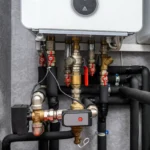


Chilled Water Air Conditioning Systems
Chilled water air conditioning systems represent a highly efficient method of cooling commercial and industrial spaces. Unlike traditional air conditioning systems that use refrigerants, these systems utilize chilled water as the cooling medium. This article explores the key differences and advantages of chilled water air conditioning systems compared to conventional systems.
How Chilled Water Systems Work
Chilled water systems operate by circulating water that has been cooled in a chiller through a network of pipes. The chilled water absorbs heat from the indoor air via air handling units or fan-coil units, effectively cooling the environment. The warmed water then returns to the chiller, where it is cooled down again, and the cycle repeats.
Key Differences from Other Systems
- Cooling Medium:
- Traditional air conditioning systems often use refrigerants, which can be less environmentally friendly. In contrast, chilled water systems use water as the cooling medium, which is more sustainable and reduces the impact on the environment.
- Centralized vs. Decentralized Systems:
- Chilled water systems are typically centralized, involving a central chiller that serves multiple air handling units or spaces. This contrasts with split or packaged systems, which are often decentralized and serve individual spaces.
- Scalability:
- Chilled water systems are easily scalable, making them suitable for larger commercial buildings or facilities that require a significant amount of cooling. Adding additional air handling units to an existing chilled water system is relatively straightforward compared to other systems.
Advantages of Chilled Water Systems
- Energy Efficiency:
- Chilled water systems are known for their high energy efficiency, especially in larger installations. They can achieve lower energy usage than traditional refrigerant-based systems, leading to reduced operational costs.
- Longer System Lifespan:
- With fewer moving parts and less frequent maintenance needed compared to conventional systems, chilled water systems tend to offer a longer lifespan and can result in lower maintenance costs over time.
- Enhanced Cooling Capacity:
- These systems can efficiently handle high cooling loads, making them ideal for large commercial spaces such as office buildings, data centers, and manufacturing facilities.
- Improved Indoor Air Quality:
- Chilled water systems can be designed with advanced air filtration and humidity control options, providing better indoor air quality. The ability to control humidity levels can help reduce the risk of mold and mildew, further enhancing air quality.
- Flexibility in Design:
- The decentralized nature of air handling units connected to a chilled water system allows for greater flexibility in building design. This is particularly useful in retrofitting existing buildings or designing new ones with specific cooling needs.
Conclusion
Chilled water air conditioning systems present a highly effective solution for cooling larger commercial and industrial spaces. Their use of water as a cooling medium, combined with their energy efficiency, long lifespan, and scalability, make them a valuable option for businesses looking to improve indoor comfort while minimizing environmental impact. By choosing a chilled water system, organizations can benefit not only from enhanced cooling capabilities but also from better indoor air quality and reduced operational costs.
Category:
Date:
22/04/2024